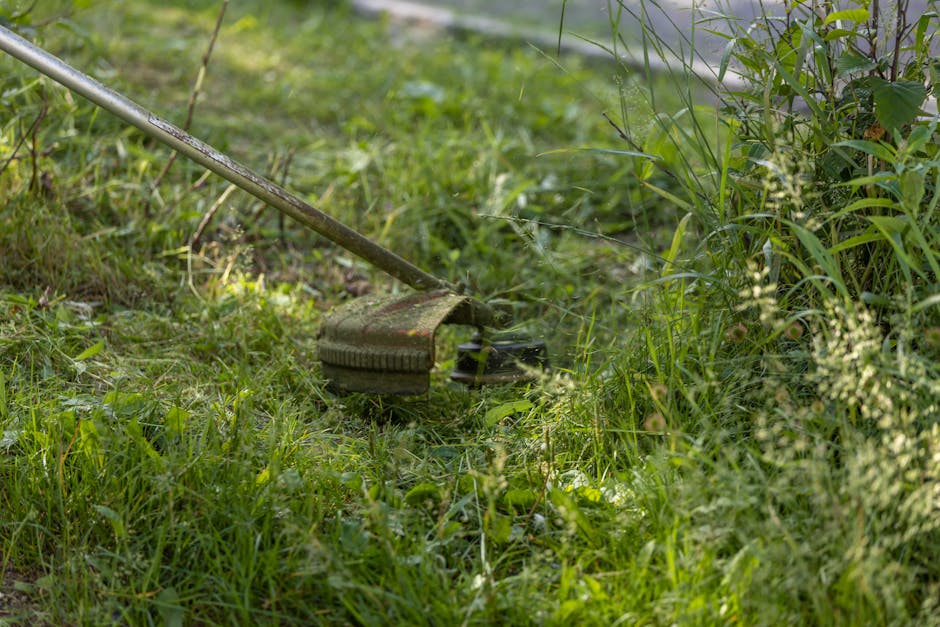
Real cost guide for garden maintenance in Carshalton SM5
If you are trying to budget for a tidy, healthy garden without paying over the odds, this real cost guide for garden maintenance in Carshalton SM5 should help. Prices can feel a bit murky at first: one quote seems low, another feels high, and neither tells you what is actually included. Truth be told, that is where most people get stuck.
In this guide, we break down the main cost drivers, the kinds of maintenance tasks people usually book, and what a sensible price looks like for different garden sizes and job types in Carshalton. You will also find practical examples, a comparison table, a checklist, and a few no-nonsense tips for getting better value. If you want a broader view of what is typically included, it can also help to look at the services overview and the pricing and quotes guidance.
Table of Contents
- Why real garden maintenance costs matter in Carshalton SM5
- How garden maintenance pricing usually works
- Key benefits and practical advantages
- Who this is for and when it makes sense
- Step-by-step guidance
- Expert tips for better results
- Common mistakes to avoid
- Tools, resources and recommendations
- Law, compliance, standards and best practice
- Options, methods and comparison table
- Case study or real-world example
- Practical checklist
- Conclusion
- Frequently asked questions
Why real garden maintenance costs matter in Carshalton SM5
Garden maintenance is one of those services where the value is obvious only after a few weeks. Grass keeps growing, hedges keep pushing out, beds get weedy, and suddenly the garden that looked "fine" in spring starts looking like a weekend project you do not have time for. In Carshalton SM5, where many homes have modest front gardens, rear lawns, narrow side returns, and sometimes mature planting, the real cost depends less on the postcode itself and more on how much work the space actually needs.
Why does this matter? Because vague pricing can lead to two problems. First, you may overpay for simple routine work. Second, you may under-budget for a garden that needs a proper reset. The right cost guide helps you spot the difference between routine upkeep and a larger maintenance visit that includes clearance, pruning, or hedge reduction.
There is also a planning benefit. If you know what is likely to be included in a typical visit, you can decide whether to book a one-off tidy, a regular schedule, or a combined package. That can make a real difference over the year. A small monthly spend often works out better than letting tasks build up and then paying for a bigger rescue job later. Let's face it, gardens have a habit of doing that.
How garden maintenance pricing usually works
Most garden maintenance quotes are based on a mix of labour time, task type, garden size, access, waste handling, and how overgrown the area is. The final figure can also shift depending on whether the gardener brings tools, needs to remove green waste, or is working as part of a one-off job rather than a recurring arrangement.
In practical terms, you will usually see prices shaped by a few core factors:
- Garden size: Small courtyards cost less to maintain than larger family gardens with multiple beds, shrubs, and lawn sections.
- Task complexity: Grass cutting is simpler than hedge trimming, and both are simpler than clearing a neglected garden.
- Access: Tight side gates, long carries, steps, and awkward rear access can add time.
- Frequency: Regular visits are often more efficient than occasional one-off work because the garden is easier to keep on top of.
- Waste removal: If cuttings, branches, or debris need taking away, that can affect the price.
A common mistake is assuming all "garden maintenance" is the same. It is not. A light tidy of borders and a weekly mow are very different from a spring reset, a hedge shape-up, and a weed-clearance session after a wet spell. Same garden, very different labour.
If you are comparing services, it can help to separate general upkeep from specific jobs like lawn mowing, hedge trimming, and garden clearance. That makes quotes far easier to compare properly.
Key benefits and practical advantages
Good garden maintenance is not just about appearances, although a neat garden does make the whole property feel calmer. The bigger value comes from staying ahead of problems. A lawn that is cut regularly is easier to keep healthy. Shrubs that are pruned at the right time tend to stay more manageable. And weeds? They are much easier to control before they settle in for the long haul.
Here are the most practical benefits people usually notice:
- Lower long-term cost: Preventative upkeep is usually cheaper than catch-up work.
- Better garden health: Grass, hedges, and planting tend to recover better when maintained consistently.
- More usable outdoor space: A tidy garden feels bigger and more inviting.
- Less personal stress: You are not looking out of the window and thinking, "I really should get on with that."
- Better seasonal readiness: Spring and autumn jobs are easier when the garden is already in decent shape.
There is also a small but real lifestyle advantage. A maintained garden is just easier to enjoy. One Saturday morning, a cup of tea outside, birds in the background, not the rattle of shears and a bag full of clippings. That is the goal, really.
Who this is for and when it makes sense
This guide is useful if you are a homeowner, landlord, tenant, letting agent, or someone managing a property with outside space in SM5. It is also relevant if your garden has slipped behind after a busy few months, or you want a dependable routine rather than a frantic seasonal clear-up.
Garden maintenance makes sense in several situations:
- Regular upkeep: Weekly or fortnightly mowing, trimming, and tidying for gardens that grow quickly.
- Seasonal resets: Spring refreshes, autumn leaf work, and pre-winter preparation.
- Move-in or move-out preparation: Useful when a garden needs to be presentable quickly.
- Rental property care: Keeps the outside space respectable and avoids bigger repair-style jobs later.
- After a period of neglect: Sometimes a one-off clearance first, then regular maintenance afterwards.
If your garden has become more than a quick tidy, it may be better to combine routine care with a broader reset. In that case, a service like garden maintenance can be paired with the right supporting work instead of trying to cram everything into one quick visit.
For some gardens, a larger transformation is the real answer. If you are looking at layout changes, new paving, or a complete refresh, then landscaping or landscape gardening may be more appropriate than ongoing maintenance alone.
Step-by-step guidance
If you want a sensible quote and fewer surprises, work through the job in a structured way. It sounds basic, but it saves a lot of back-and-forth.
- List the actual tasks. Write down what you need, such as mowing, edging, hedge trimming, weeding, leaf clearance, pruning, or waste removal.
- Check the garden in daylight. Costs are easier to estimate when you can see access points, overgrowth, broken areas, and what is tucked behind sheds or borders.
- Separate routine work from problem areas. A lawn may be fine, while the hedge and back corner need attention. That distinction matters.
- Decide on one-off or ongoing care. One-off tidy-ups often cost more per visit than regular maintenance, because the garden has more to catch up on.
- Ask what is included. Labour only? Tools included? Waste removed? Edging and bagging? Those details change the final price.
- Compare like for like. Two quotes are only comparable if the scope is similar. Otherwise you are comparing apples and pears.
- Book the right frequency. For many gardens, a lighter but regular visit is better than letting everything build up. In our experience, that is where most households save money over time.
Here is a useful rule of thumb: if a job feels too big to explain in one sentence, it probably needs a written scope. Nothing fancy. Just clear, plain language. That alone can keep the quote sensible.
Expert tips for better results
There are a few habits that make garden maintenance smoother, cheaper, and less frustrating. None of them are dramatic, but they do add up.
- Keep on top of edges and borders. A neat edge makes even a modest lawn look better and usually takes very little extra time when done regularly.
- Use the season to your advantage. Spring and early summer are ideal for growth-heavy tasks, while autumn is better for leaf management and tidying.
- Bundle jobs sensibly. If the gardener is already on site for mowing, it can be efficient to add a quick hedge or border tidy if needed.
- Ask for advice before agreeing to extra work. A good gardener should be able to explain why a task matters and whether it is urgent or optional.
- Keep access clear. Moving furniture, toys, bins, or plant pots before the visit can save time, which may save money too.
One small but useful tip: if you want a garden to look better fast, do not start with the glamorous bits. Start with the basics. A proper mow, a tidy edge, and a weed pull can change the whole feel of the space before anyone touches flowers or decorative features. Bit boring, yes. Effective, absolutely.
If you are uncertain about where to start, a quick conversation with a local team about pricing and quotes can help you understand whether you need a maintenance visit, clearance, or something more structural.
Common mistakes to avoid
A lot of people only discover pricing pitfalls after they have already booked. That is annoying, but also very common. Here are the main mistakes to avoid.
- Choosing the cheapest quote without checking scope. A low price can be fine, but only if it includes the actual work you need.
- Assuming waste removal is included. Cuttings and clippings often change the final bill if they need to be taken away.
- Waiting until the garden is heavily overgrown. The longer you leave it, the more labour it usually takes to restore.
- Ignoring access issues. Narrow side access, steep paths, and long carries all matter.
- Booking maintenance without a plan. A one-off tidy may help today, but regular visits often work out better if growth is fast.
There is also the old classic: underestimating how long a "quick tidy" takes once you actually start. We have all done it. The first 15 minutes feel hopeful, then the bag fills up and the hedges suddenly look twice as big. Gardens, honestly, are excellent at that.
Tools, resources and recommendations
You do not need specialist knowledge to budget well, but a few tools and habits make the process easier.
- Photos of the garden: Take wide shots and close-ups. This helps a gardener assess the work more accurately.
- A simple task list: Keep it short and specific, such as "front lawn cut, back hedge trimmed, weeds removed from borders".
- Previous invoices or notes: If you have had work done before, those details can help compare prices over time.
- A calendar reminder: Seasonal work is easier to manage if you plan it rather than react to it.
- A quote comparison note: Record what each quote includes so you do not rely on memory later. Memory is a slippery thing, to be fair.
For larger jobs, a gardener may recommend combining maintenance with related services. For example, a rough area might need garden clearance before routine upkeep makes sense. Mature hedges may need more focused hedge trimming. And if trees are blocking light or shedding heavily, tree lopping and removal might become part of the discussion.
That is where a broader services overview can be useful: it helps you understand which jobs sit together naturally and which ones should be quoted separately.
Law, compliance, standards and best practice
Garden maintenance is not heavily regulated in the way some specialist trades are, but good practice still matters. If a contractor is working with tools, carrying waste, or handling ladders and cutting equipment, you want sensible safety habits and clear communication.
From a customer point of view, the main things to look for are straightforward:
- Insurance and safety awareness: It is reasonable to ask whether the business is insured and how it handles site safety.
- Clear payment terms: You should know when payment is due and how the quote has been structured.
- Respect for property: Good practice means taking care around fences, planting, paths, and outdoor fittings.
- Waste handling: Green waste should be handled responsibly and disposed of appropriately.
If a job involves significant height, power tools, unstable branches, or heavy lifting, the standard should rise accordingly. That does not mean you need a lecture, just reassurance that the work is being handled properly. You can read more about safe working expectations through the site's insurance and safety information and its health and safety policy.
There is also a sustainability angle. Recycling green waste where possible and planning jobs sensibly can reduce unnecessary trips and waste. If that matters to you, the site's recycling and sustainability approach is worth a look.
Options, methods and comparison table
Not every garden needs the same service model. Some people want a simple mow every couple of weeks. Others need a seasonal reset, then occasional maintenance. Here is a practical comparison.
| Option | Best for | Typical cost shape | Main advantage | Possible downside |
|---|---|---|---|---|
| Regular maintenance visit | Gardens that grow quickly or need staying tidy year-round | Usually steadier and easier to budget for | Prevents big build-ups | Requires ongoing commitment |
| One-off tidy-up | Gardens that are mostly fine but need a reset | Often higher per visit because more work is done at once | Quick visual improvement | Can be more expensive if neglected too long |
| Clearance plus maintenance | Overgrown or cluttered gardens | Higher upfront cost, then lower routine cost later | Resets the space properly | May feel like a bigger spend at the start |
| Specialist task add-ons | Hedges, trees, decking edges, or awkward features | Quoted separately or as extras | Targets problem areas accurately | Can raise the total quickly if several tasks are needed |
For some households, a simple mowing schedule from the lawn mowing service is enough. For others, a full maintenance approach is more sensible because it folds several small jobs into one visit. There is no single right answer. The right choice is the one that matches how the garden actually behaves through the year.
Case study or real-world example
Here is a realistic example from the sort of job many people in Carshalton SM5 ask about.
A typical rear garden might have a medium lawn, two hedge lines, a few borders, and leaf build-up after a windy week. The owner has been away, then busy, then busy again. By the time they look properly, the lawn is long, the edges are fuzzy, and the hedge has grown just enough to look untidy. Nothing dramatic. Just enough to make the space feel unfinished.
In that situation, the most cost-effective approach is often a first visit that covers the heavy work: mowing, edging, hedge trimming, weeding, and bagging waste. After that, a lighter regular schedule usually makes more sense than letting the garden drift again. The first visit is the "catch up" cost. The later visits are the "keep it there" cost.
Practical takeaway: the cheapest garden maintenance is rarely the cheapest quote. It is usually the quote that stops small jobs turning into a big one.
If the garden had deeper issues, such as broken sections, major reshaping, or a change of layout, then maintenance alone would not be enough. At that point, a more considered landscape gardening discussion may make better financial sense in the long run.
Practical checklist
Use this checklist before you book. It saves time and reduces surprises.
- List the exact jobs you want done.
- Check whether the garden needs routine maintenance or a one-off reset.
- Take a few clear photos in daylight.
- Note access details, gates, steps, and any obstacles.
- Ask whether waste removal is included.
- Ask how often the work should be repeated for best results.
- Compare quotes on the same scope of work.
- Check payment terms before agreeing.
- Consider whether related jobs should be grouped together.
- Plan the next visit before the garden gets out of hand again.
That last point is a small one, but it matters. Maintenance works best when it stays ahead of growth rather than chasing after it.
Get a free quote today and see how much you can save.
Conclusion
The real cost of garden maintenance in Carshalton SM5 depends on what the garden needs, how easy it is to access, how often it is maintained, and whether waste removal or specialist work is involved. Once you separate routine upkeep from catch-up work, the numbers start making a lot more sense.
The best value usually comes from clear scope, regular attention, and choosing the right service for the job instead of treating every garden issue as the same thing. A tidy lawn, managed hedges, and controlled borders are not just nicer to look at; they are usually cheaper to keep that way over time. Simple, but true.
If you want a garden that feels easier to live with, and easier on the budget, start with a proper quote and a realistic plan. A well-kept garden has a way of paying you back every time you step outside, even on a dull Carshalton afternoon.
Frequently Asked Questions
How much does garden maintenance usually cost in Carshalton SM5?
The cost depends on garden size, the type of work needed, access, and whether waste is removed. Routine mowing and light tidying are usually cheaper than a full reset or clearance job.
Is a regular maintenance visit cheaper than a one-off tidy-up?
Often, yes. Regular visits are usually easier to manage because the garden does not become heavily overgrown. A one-off tidy-up can cost more if the work has piled up.
What tasks are normally included in garden maintenance?
Common tasks include mowing, edging, weeding, trimming, hedge cutting, leaf clearance, and general tidying. The exact scope should always be confirmed before booking.
Do I need garden clearance or maintenance?
If the garden is cluttered, overgrown, or difficult to work in, clearance may be needed first. If it is already in reasonable shape and just needs upkeep, maintenance is usually enough.
Does waste removal affect the price?
Yes, it often does. Bags of clippings, branches, and debris may need to be collected and disposed of, which can add to the overall cost.
Can I combine lawn mowing and hedge trimming in one visit?
Usually, yes. In fact, combining related jobs can be efficient and may give better value than booking each task separately.
How often should garden maintenance be booked?
That depends on growth rate and how tidy you want the space to stay. Some gardens need weekly or fortnightly care, while others can be maintained monthly or seasonally.
What makes a garden maintenance quote more expensive?
Overgrowth, difficult access, large hedges, heavy waste, and jobs that need extra time all tend to increase the cost. A very neglected garden almost always takes longer.
Should I choose the cheapest quote?
Not automatically. A good quote should clearly explain what is included. The lowest price is only good value if it covers the work you actually need.
Is it better to book garden maintenance after a clearance?
For many gardens, yes. A clearance can remove the backlog first, then maintenance keeps everything under control afterwards. That is often the most practical long-term approach.
How do I compare quotes properly?
Compare the same tasks, the same waste handling, and the same visit length. If one quote includes more work, it is not really cheaper just because the number is lower on paper.
Where can I find more details before requesting a quote?
It helps to review the site's services overview, pricing and quotes, and the relevant service pages for mowing, trimming, and clearance so you can explain exactly what you need.